Lightweighting in Sports Equipment: Why Material Choice Matters for Performance and Durability
If you have any product customization needs or ideas, MOQ 500, contact us.
Jul. 15, 2026
For decades, lightweighting was a pursuit reserved for elite performance equipment — carbon fiber bikes, racing boats, and pro-level tennis rackets. The logic was simple: less weight meant less energy expenditure, better maneuverability, and improved outcomes. Today, that same logic is reshaping the broader sports equipment market, moving from niche performance gear into the mainstream of protective wear and fitness accessories.
The shift is not subtle. Global fitness accessories market is projected to grow at 8.1% CAGR, and lightweighting is a key driver. Consumers expect their workout gear to be portable, easy to store, and comfortable to wear — without sacrificing durability or protection. For B2B buyers, this means material choices matter more than ever.
The benefits of lightweighting cascade across the entire product lifecycle, from manufacturing to the end user.
For athletes and everyday users: Lighter equipment reduces fatigue during prolonged use, improves comfort for wearable items like knee sleeves and wrist wraps, and makes home fitness gear more accessible to casual users who may be intimidated by heavy, bulky equipment.
For brands and retailers: Lighter products translate directly into lower shipping costs — a significant advantage given rising freight rates. More compact packaging also reduces storage and display space, enabling more efficient retail presentation and lower warehousing costs.
For supply chain resilience: Materials that are lighter often require less raw material input per unit, which can buffer against raw material price volatility and improve margin stability over time.
Achieving weight reduction without compromising performance requires strategic material selection. Three material pathways are currently driving lightweighting in the sports equipment sector.
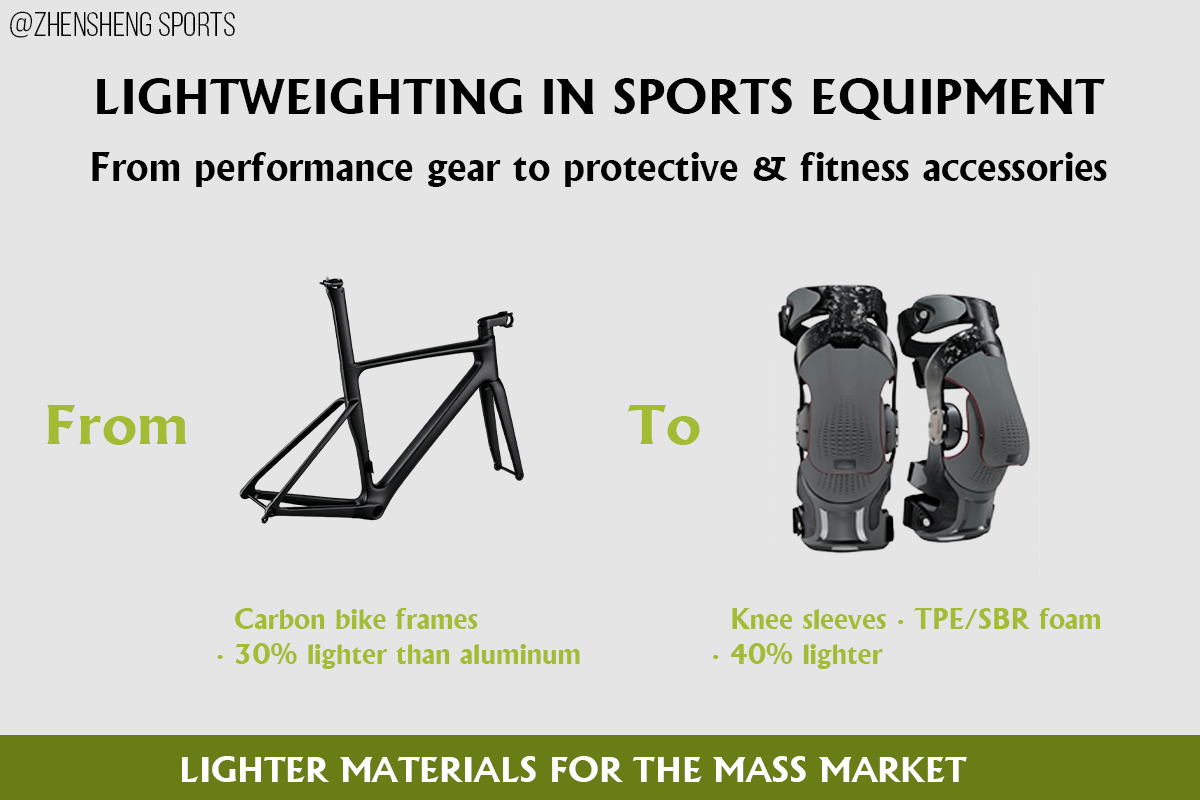
Carbon fiber has established itself as the gold standard for lightweighting in performance sports equipment. With density roughly one-quarter that of steel and tensile strength 7-12 times greater, the material's weight-to-strength ratio is unmatched. In cycling, carbon fiber frames weigh approximately 30% less than aluminum equivalents. In rowing, carbon fiber racing boats achieve a 35% weight reduction over fiberglass alternatives, translating directly to faster times on the water.
The application of carbon fiber has expanded from elite sports into tennis rackets, badminton rackets, and increasingly into protective gear components where rigidity with minimal weight is advantageous.
In protective gear and fitness accessories, the lightweighting story is less about structural rigidity and more about comfort and user experience. TPE (thermoplastic elastomer) foams and EVA (ethylene-vinyl acetate) foams offer low density combined with high energy absorption.
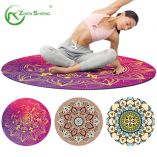
In knee sleeves, replacing solid neoprene with TPE foam can reduce weight by 30-40% while improving breathability and comfort. Yoga mats made from high-density TPE foam can achieve the same cushioning performance as PVC counterparts at 40% less weight. The difference is not just in handling — these lighter materials also enable more compact folding and easier storage for home use.
Sometimes lightweighting does not require a new material — it requires a better formulation of an existing one. In resistance bands, optimized natural rubber latex compounds can achieve the same tensile strength and elasticity with a smaller cross-section, reducing overall volume by up to 20% without compromising performance. This not only reduces material cost but also enables more compact packaging and lower shipping volumes.
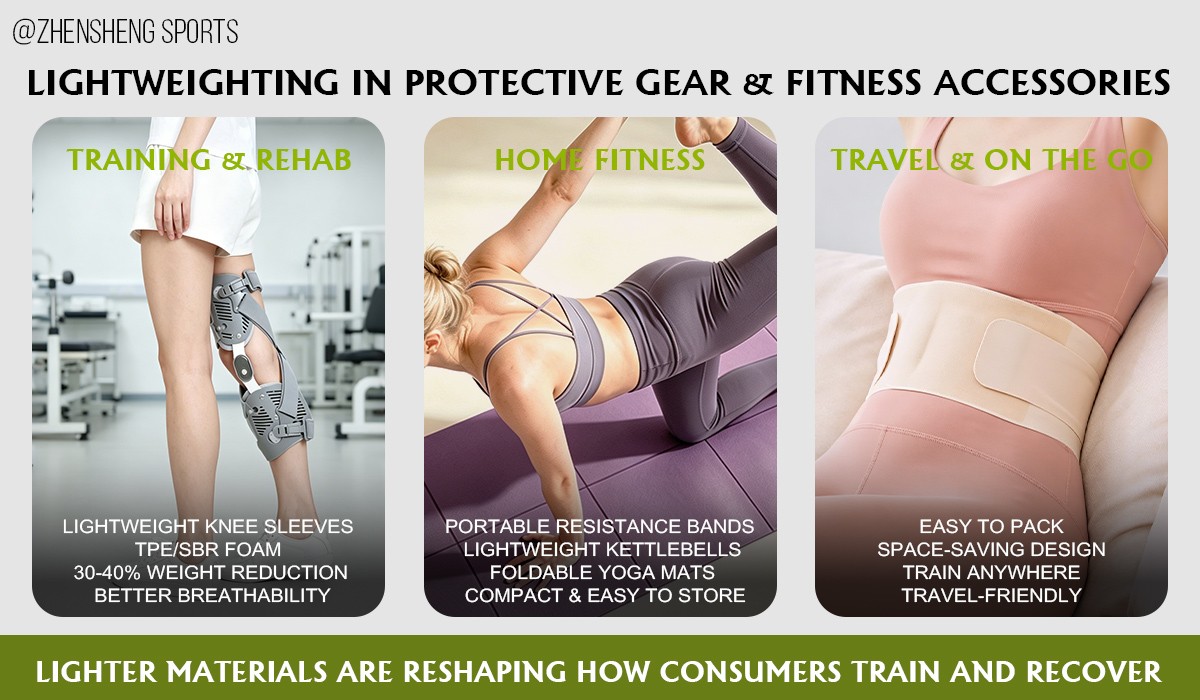
Different product categories require different lightweighting approaches based on their primary use case.
| Category | Lightweighting Approach | Key Benefit | User Impact |
|---|---|---|---|
| Knee Sleeves | TPE/SBR foam replacing solid neoprene | 30-40% weight reduction | Comfort, breathability, longer wear time |
| Yoga Mats | High-density TPE foam vs PVC | 40% lighter, foldable design | Easy to carry and store |
| Resistance Bands | Optimized latex compound | 20% smaller volume | Portable, travel-friendly |
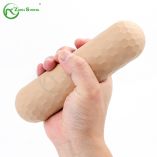
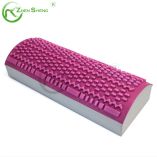
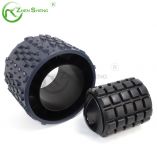
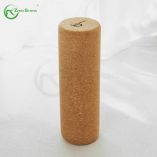
| Foam Rollers | EVA/EPP foam density optimization | Lighter, responsive recovery | Improved handling, same effectiveness |
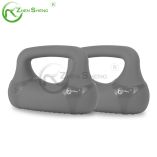
| Kettlebells | Soft-shell with iron core | 30% lighter without reducing actual mass | Quiet, floor-friendly |
Lightweighting is not just a product design philosophy — it is a business strategy with measurable return on investment.
Freight savings: A 30% reduction in product weight translates directly into lower shipping costs, particularly for high-volume shipments. For brands shipping containers of yoga mats or resistance bands, the savings over time can be substantial.
Storage efficiency: Lighter materials often allow for more compact packaging, reducing warehousing space requirements by up to 25%. This enables more efficient inventory management and lower holding costs.
Customer satisfaction: Lightweight products that feel premium in the hand, perform consistently, and are easy to transport or wear improve customer retention and word-of-mouth referrals.
At ZhenSheng, lightweighting is an engineering consideration embedded in product development from the start. With over 22 years of manufacturing experience across yoga mats, resistance bands, foam rollers, and protective gear, we have developed a systematic approach to material optimization.
Our approach includes material substitution where it makes sense — replacing heavier rubbers and PVC with TPE, EVA foams, and natural rubber compounds that deliver equal or better performance at lower weight. We also optimize formulations to reduce material volume without compromising strength or elasticity, using our in-house material science expertise to balance weight reduction with functional requirements.
Furthermore, we have developed more compact packaging designs that reduce both weight and dimensional weight for shipping, with packaging optimized for sea and air freight efficiency. Each of these approaches is validated through performance testing to ensure that weight reduction does not come at the expense of durability or product life.
We have applied lightweighting principles to products exported across Europe, the US, and South America, with documented cost savings and consistent quality metrics.
The lightweighting trend in sports equipment is still in its early stages across many product categories. As material science continues to advance, new possibilities will emerge for performance, protection, and everyday fitness products.
Emerging developments include increased use of bio-based and recycled lightweight materials, where sustainability and weight reduction are aligned objectives; integration of smart features into lightweight platforms without adding bulk; and further miniaturization of portable fitness equipment for the growing home fitness market.
For B2B buyers, staying ahead of these trends means partnering with manufacturers who understand material science as well as production economics — and who can translate lightweighting principles into products that perform, ship efficiently, and satisfy end users.
Lightweighting in sports equipment has moved beyond elite performance gear into the mainstream of protective wear and fitness accessories. For brands, retailers, and distributors, the opportunity is clear: lighter products ship cheaper, store easier, and satisfy users who value portability and comfort alongside performance.
The material decisions made at the product development stage determine not just product performance but also logistics costs, customer satisfaction, and competitive positioning. Lightweighting is no longer a niche priority — it is a core consideration for any serious player in the sports equipment market.
Contact us to discuss lightweighting options for your product line — from material substitution to packaging optimization.
Search Blog
New Products
E-mail: info@shzhensheng.com
:
Tel.: +86 21 5204 8758
Add.: Room 203, Building 1, No. 423 Wuning Road, Putuo district, Shanghai 200063, China
Navigation
Get in touch
seoKeywords: custom size yoga mat custom logo yoga mat custom Rubber Pilates Yoga Mat eco friendly rubber yoga mat custom Pilates Yoga Mat TPE Rubber Professional Yoga Mat rectangle yoga mat tpe comfortable tpe yoga mat comfortable tpe yoga mat Customize nbr yoga mat custom round yoga mat round yoga mats wholesale eco friendly yoga mats wholesale non slip yoga mat wholesale Customize non slip yoga mat wholesale ankle weights wholesale custom round yoga mat round yoga mats wholesale personalized soccer ball size 5 personalized soccer ball size 4 Thermo Bonded Football Machine Stitched Football custom resistance bands wholesale wholesale resistance bands with logo custom printed resistance bands custom logo resistance bands custom size resistance bands custom length resistance bands custom ankle weights ankle weights cost ankle weights cost buy ankle weights custom balance board surf balance board oem yoga mat yoga mat factory yoga mat manufacturer tpe yoga mat manufacturer private label yoga mats