Soccer Ball Bladders: Rubber, Butyl, PVC and Winding Technology
If you have any product customization needs or ideas, MOQ 500, contact us.
Jun. 25, 2026
The bladder is the heart of a soccer ball. It holds the air, determines the bounce, and defines how the ball feels underfoot. For soccer ball manufacturers in South America-Brazil, Argentina, Paraguay, Ecuador, and beyond-choosing the right bladder is the starting point for product quality. Rubber, butyl, PVC, and winding reinforcement technologies make up the mainstream options in today's market.
This guide breaks down each option, compares their performance and cost, and explains which one fits different production needs from training balls to match-level products.
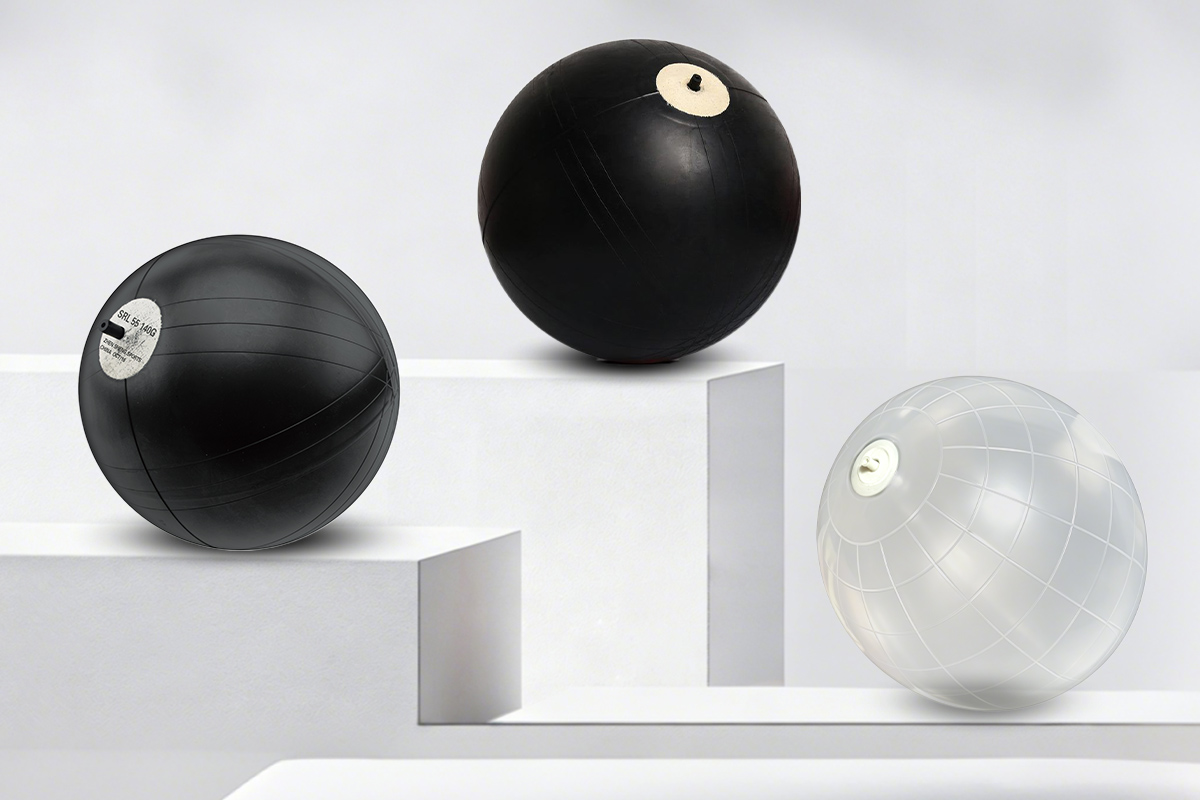
Three bladder materials dominate the soccer ball market. Each has distinct characteristics that affect cost, performance, and target use cases.
| Feature | Rubber Bladder | Butyl Bladder | PVC Bladder |
|---|---|---|---|
| Material | Natural or synthetic rubber | Butyl rubber (synthetic) | Polyvinyl chloride |
| Air Retention | Moderate | Excellent (graded by butyl content) | Moderate |
| Elasticity & Rebound | Good | Better than rubber | Moderate |
| Durability | Good | Excellent | Moderate |
| Cost | Low | Medium (higher butyl content = higher cost) | Low |
| Primary Use | Training balls, entry-level | Training to match balls, premium | Entry-level, promotional |
Quick Take: Rubber is the baseline. Butyl is the upgrade. PVC is the budget option. The choice depends on your target price point and performance expectations.
Rubber bladders are the most basic and widely used bladder type in the soccer ball industry. Made from natural or synthetic rubber compounds, they offer a good balance of performance and cost.
Key characteristics:
Low cost - Makes them ideal for large-volume production and price-sensitive markets
Moderate air retention - Requires regular inflation but performs adequately for training use
Good elasticity - Provides a decent bounce and feel for most players
Market demand - Widely used in Pakistan and Mexico, and increasingly in South America for training balls
For South American manufacturers serving the training and grassroots segments, rubber bladders remain a practical, cost-effective choice.
Butyl bladders are the current standard for mid-tier to premium soccer balls. Made from synthetic butyl rubber, they offer superior air retention and consistent performance.
Butyl bladders are graded by butyl content. Common grades include:
| Grade | Butyl Content | Air Retention | Price | Typical Use |
|---|---|---|---|---|
| Standard | 30% | Good | Low | Training balls |
| Premium | 50% | Better | Medium | Mid-tier match balls |
| High-Grade | 80% | Excellent | High | Premium match balls |
Note: Higher butyl content means better air retention-and a higher price. Butyl bladders can keep a ball inflated for weeks, making them convenient for training programs and leagues that don't want to inflate before every session.
PVC bladders are the lowest-cost option in the market. Made from polyvinyl chloride, they are used primarily in entry-level and promotional soccer balls.
Key characteristics:
Lowest cost - The most affordable bladder option available
Moderate air retention - Comparable to rubber but less than butyl
Moderate elasticity - Acceptable for casual play but not for serious training or matches
Market position - Often found in promotional items, giveaways, and very low-cost balls
For South American buyers who need ultra-low-cost balls for mass distribution or promotional campaigns, PVC bladders are worth considering as the most budget-friendly option.
Winding reinforcement is a critical process for premium soccer balls. It adds structural integrity, improves roundness retention, and enhances rebounce consistency.
Two main winding technologies are used:
Winding Thread (Thread Winding): Nylon or polyester filaments are evenly wound around the bladder surface in multiple directions. After vulcanization, this creates a mesh-like reinforcement layer. This process improves the ball's roundness retention and impact resistance, making it ideal for match balls.
Fabric Winding (Fabric Winding): Narrow adhesive-impregnated fabric strips are wound around the bladder along three axial directions, forming an orthogonally overlapped reinforcement layer. This technique strengthens the ball's structure and shape retention, commonly used in premium and tournament-grade soccer balls.
Both technologies share a common goal: to keep the ball round over time, reduce deformation from repeated impacts, and deliver consistent rebounce.
The South American soccer ball market has several unique characteristics that influence bladder selection:
Price sensitivity: South American buyers are highly price-conscious. Rubber and PVC bladders remain the mainstream choices for training and grassroots products, while butyl bladders are gradually penetrating the mid-tier market.
Climate factors: Parts of South America are hot and humid, placing higher demands on bladder aging resistance. Quality compounds and proper formulation are essential.
Local production base: Brazil and Argentina have local soccer ball assembly industries. Bladders are a clearly defined B2B procurement category with specific demand for independent bladder sourcing.
Event-driven demand: South America has a dense soccer calendar. From grassroots training to professional matches, different levels require different bladder specifications-rubber for training, butyl for premium training, and winding-reinforced bladders for match balls.
ZhenSheng supplies butyl bladders as standalone products for South American manufacturers. Our bladders are currently exported to markets including Germany, Australia, and Ecuador, with established experience in South American procurement requirements and certification standards.
| Parameter | Specification |
|---|---|
| Available Sizes | S5, S4, S3 |
| Material | Butyl (customizable content: 30%/50%/80%) |
| Weight | Customizable |
| Certifications | CA65, REACH, BSCI |
| MOQ | 3,000 pcs |
| Sample Lead Time | 3-5 days |
| Packaging | Polybag / Color box (customizable) |
| Winding Option | Winding thread or fabric winding available on request |
Customization Available: Logo printing, packaging design, and butyl content grade are all customizable. We support full OEM/ODM bladder production for your specific market needs.
Rubber bladder - Baseline choice for training balls and grassroots programs, offering the best cost-performance ratio for high-volume, low-cost production.
Butyl bladder - The go-to upgrade for better air retention and performance. Choose 30% for training, 50% for mid-tier matches, and 80% for premium match balls.
PVC bladder - The lowest-cost option for promotional and entry-level products where budget is the primary driver.
Winding reinforcement - Essential for match balls that need to maintain roundness and consistency over repeated use.
For South American manufacturers, the right bladder choice depends on your target price point and performance expectations. ZhenSheng supplies butyl bladders in S5/S4/S3 sizes with customizable butyl content, plus winding reinforcement options. We support samples, custom packaging, and full OEM production.
Contact us for samples or to discuss your bladder requirements.
Search Blog
New Products
E-mail: info@shzhensheng.com
:
Tel.: +86 21 5204 8758
Add.: Room 203, Building 1, No. 423 Wuning Road, Putuo district, Shanghai 200063, China
Navigation
Get in touch
seoKeywords: custom size yoga mat custom logo yoga mat custom Rubber Pilates Yoga Mat eco friendly rubber yoga mat custom Pilates Yoga Mat TPE Rubber Professional Yoga Mat rectangle yoga mat tpe comfortable tpe yoga mat comfortable tpe yoga mat Customize nbr yoga mat custom round yoga mat round yoga mats wholesale eco friendly yoga mats wholesale non slip yoga mat wholesale Customize non slip yoga mat wholesale ankle weights wholesale custom round yoga mat round yoga mats wholesale personalized soccer ball size 5 personalized soccer ball size 4 Thermo Bonded Football Machine Stitched Football custom resistance bands wholesale wholesale resistance bands with logo custom printed resistance bands custom logo resistance bands custom size resistance bands custom length resistance bands custom ankle weights ankle weights cost ankle weights cost buy ankle weights custom balance board surf balance board oem yoga mat yoga mat factory yoga mat manufacturer tpe yoga mat manufacturer private label yoga mats