Eco-Friendly Recovery Tools for Modern Pilates Studios
If you have any product customization needs or ideas, MOQ 500, contact us.
Jun. 09, 2026
Today's Pilates studios need recovery tools that do more than perform well. They should look polished on the floor, clean up quickly between classes, and reflect the studio's eco-conscious values. When shared equipment feels good in the hands and underfoot, it supports member satisfaction and helps reduce frequent replacements that drive up operating costs.
This guide covers the core recovery tools most studios rely on: massage balls, peanut balls, short rollers, and full-size foam rollers designed for commercial use and high class turnover.
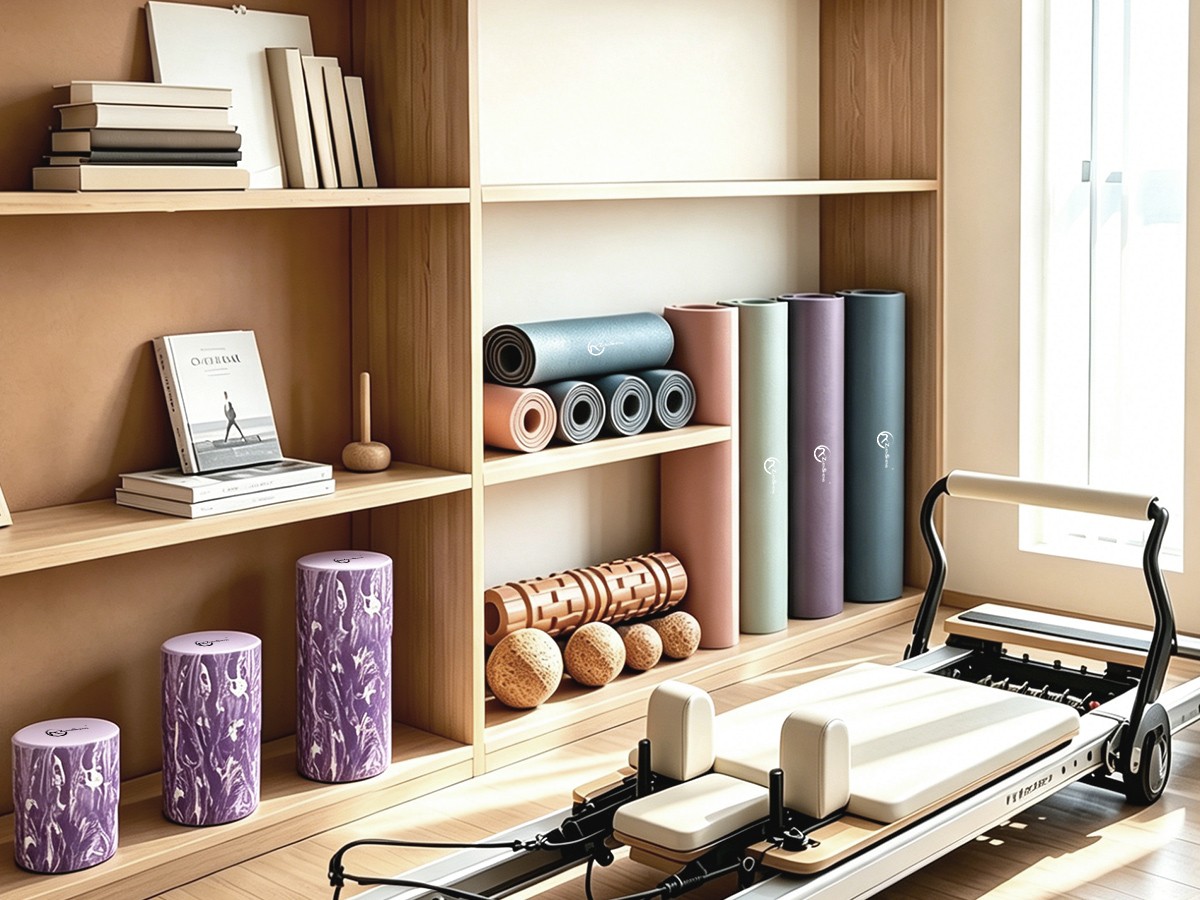
Material choice has a direct impact on appearance, maintenance, comfort, and long-term durability. The table below offers a quick comparison of cork, thermoplastic elastomer (TPE), and natural rubber based on what matters most in a busy studio environment.
| Attribute / Material | Cork | TPE | Natural Rubber |
|---|---|---|---|
| Sustainability | High perceived natural value and premium look. (amorim.com) | Commonly viewed as a practical eco-minded option, though still synthetic; often marketed as recyclable. (jobstinc.com) | Strong sustainability story when sourced transparently as natural latex. (recoveryask.com) |
| Firmness & Feel | Medium-firm with a slightly yielding surface that feels warm and natural. (yogadesignlab.com) | Available in a wide range of densities, from soft to firm, making it easy to match class needs. (sportssurge.alibaba.com) | Tacky, responsive, and typically firmer, making it ideal for deeper release work. (drbodygadget.com) |
| Grip | Moderate grip; textured enough to stay in place without feeling sticky. (geckoyogamats.com) | Low-tack but reliable grip that supports smooth rolling and stable placement. (wheelswaycaster.com) | High grip, though it can attract dust and hair and needs more frequent cleaning. (drbodygadget.com) |
| Cleanability | Easy to wipe clean; performs best when kept dry and cleaned after use. (sportivelives.com) | Very easy to wipe down; closed-cell grades resist sweat and surface dirt. (jobstinc.com) | Cleanable, but may hold oils and require more thorough maintenance. Harsh solvents should be avoided. (wellnessmats.com) |
| Odor & Off-gassing | Low odor; tends to stay neutral and resists odor buildup when dry. (huggermugger.com) | Typically low odor with minimal off-gassing, especially in higher-quality compounds. (blickle.us) | May have an initial rubber smell; better curing and higher quality reduce lingering odor. (mysleepyhead.com) |
| Floor-friendliness | Gentle on floors as a small tool, though prolonged damp contact should be avoided. (amorimcorksolutions.com) | Often formulated to be non-marking and safe for hardwood and luxury vinyl plank floors. (forbo.blob.core.windows.net) | Some rubber compounds can stain or react with certain floors over time, so testing is essential before large orders. (wellnessmats.com) |
| Durability | Good for smaller tools; natural material may show wear with repeated wet-use cycles. (sportivelives.com) | Excellent; resists abrasion and holds shape under frequent use. (sportssurge.alibaba.com) | Very durable for heavy daily use, especially with sealed finishes that maintain appearance. (recoveryask.com) |
| Best For | Single massage balls, light footwork tools, and premium retail displays. | Short rollers, full-size studio rollers, and peanut balls for regular class rotation. | Peanut balls, deep-release massage balls, and heavy-duty rollers in high-use settings. |
For most studios, TPE is the easiest all-around choice because it balances cleanability, durability, and floor safety. Cork works especially well when presentation and natural appeal are part of the studio experience. Natural rubber is often best reserved for tools where grip and firmness matter most.

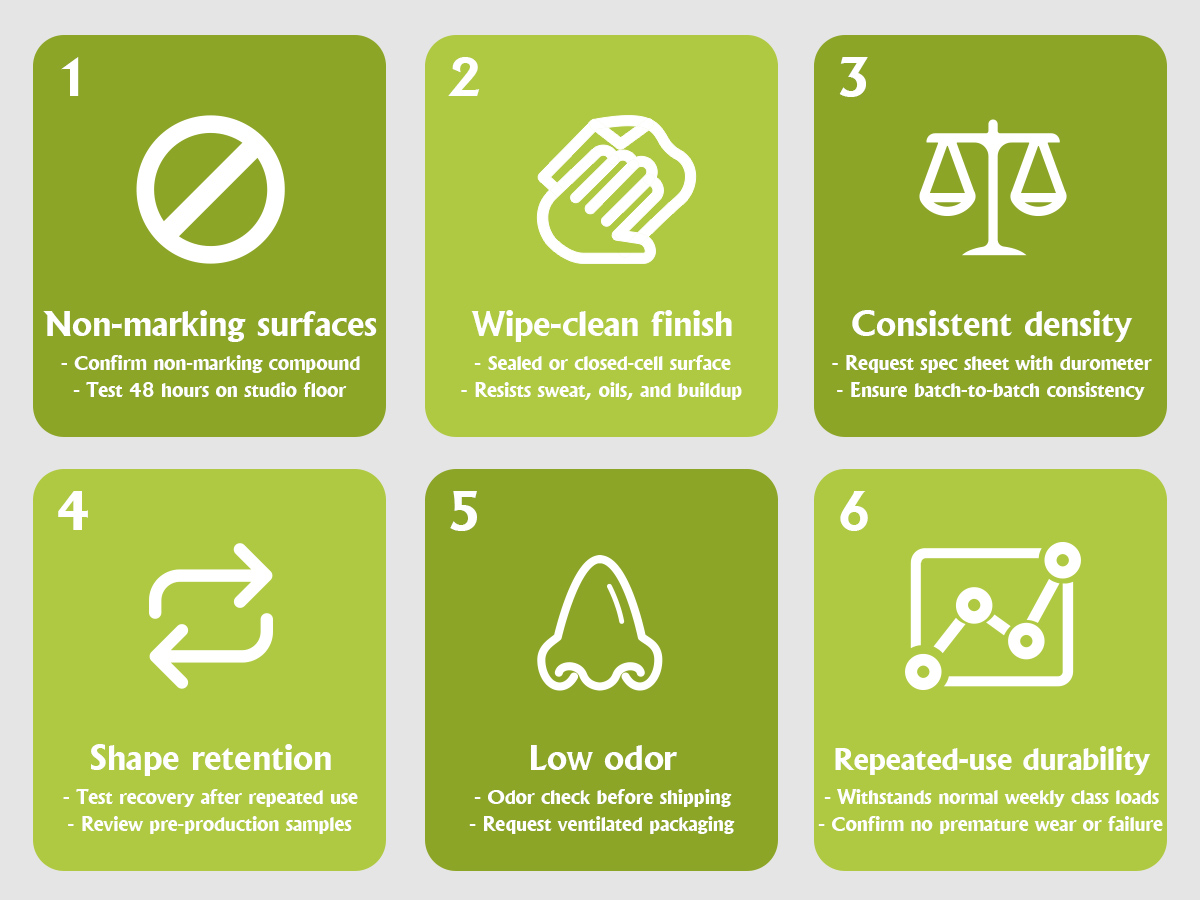
A good recovery tool is not automatically a good studio tool. Shared equipment needs to perform consistently, clean easily, and hold up under repeated use. For commercial settings, the most important features are non-marking surfaces, easy-wipe finishes, stable density, shape retention, low odor, comfortable grip, and reliable durability under weekly class loads.
Cleaning guidance for shared facilities also emphasizes routine wiping with appropriate products and removing damaged or porous items that can no longer be cleaned effectively. Protocols should always align with facility procedures and local guidance.
Here's a practical way to evaluate studio-ready recovery tools:
Non-marking surfaces: Ask suppliers to confirm that the compound is floor-safe or non-marking. Before rolling out a large order, test a sample on your studio floor for 48 hours.
Wipe-clean finish: Prioritize sealed or closed-cell surfaces that resist sweat, oils, and product buildup.
Consistent density: Request a specification sheet that includes foam density or durometer so different batches feel the same.
Shape retention: Review pre-production samples and test how well rollers recover after repeated in-class use.
Low odor: Ask for odor checks before shipping and request ventilated packaging to reduce the need for extended airing out on arrival.
The best recovery lineup is compact, versatile, and easy to store. Instead of offering every possible tool, focus on the pieces members will actually use in class and instructors can integrate easily.
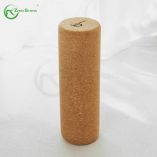
Single massage balls: These are ideal for targeted release, footwork, and mobility sessions. They store easily, work well in private sessions or group classes, and are a natural retail add-on. For many studios, massage balls for Pilates studios are most effective in cork for presentation or TPE for easy maintenance.
Peanut balls: Their shape helps stabilize the spine and makes them especially approachable for beginners or clients who want more controlled pressure. TPE versions are easy to clean, while natural rubber options offer more grip and intensity.
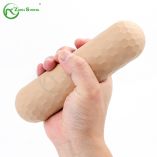
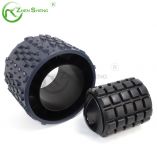
Short rollers (30–45 cm): A strong choice for barre, Pilates mobility work, and light myofascial release. If you're looking for the best foam roller for beginners, a medium-density TPE short roller is often the most versatile place to start.
Full-size foam rollers: Best suited for recovery classes, athletic clients, and post-run release work. In shared environments, higher-density TPE models typically offer the best balance of durability and consistent performance. For studios serving athletic communities, this is often the best foam roller for runners category to prioritize.
Customization can elevate a studio's brand presence, but it should never come at the expense of performance. The best branded recovery tools still need to clean well, feel consistent, and last through heavy use.
Common customization options include:
Color matching
Logo stamping or heat transfer
Retail-ready packaging
Bundled sets for studio retail or onboarding packages
When evaluating suppliers, use a disciplined process:
Request samples and test them in real classes before committing.
Ask for material spec sheets that list durometer, closed-cell construction, and approved cleaning methods.
Confirm how the product has been tested for shape retention and odor control.
Clarify minimum order quantities and lead times for color, logo, or packaging changes. Small pilot runs are often possible, but they usually come with a higher per-unit cost.
Verify final packaging dimensions and shipping protection so tools arrive without compression or cosmetic damage.
A careful sampling and testing process helps prevent surprises, protects studio flooring, and ensures a better member experience—especially when ordering for multiple locations.
If your studio wants recovery tools that look refined, clean up fast, and support an eco-conscious identity, material selection matters just as much as product type. TPE is the most dependable all-purpose option for shared use, cork offers standout visual appeal and a natural premium feel, and natural rubber delivers strong grip and durability for deeper release work.
Choose the mix that matches your classes, your storage setup, and your floor surfaces. When the tools are easy to maintain and pleasant to use, they earn their place in the studio—and keep earning it over time.
Search Blog
New Products
E-mail: info@shzhensheng.com
:
Tel.: +86 21 5204 8758
Add.: Room 203, Building 1, No. 423 Wuning Road, Putuo district, Shanghai 200063, China
Navigation
Get in touch
seoKeywords: custom size yoga mat custom logo yoga mat custom Rubber Pilates Yoga Mat eco friendly rubber yoga mat custom Pilates Yoga Mat TPE Rubber Professional Yoga Mat rectangle yoga mat tpe comfortable tpe yoga mat comfortable tpe yoga mat Customize nbr yoga mat custom round yoga mat round yoga mats wholesale eco friendly yoga mats wholesale non slip yoga mat wholesale Customize non slip yoga mat wholesale ankle weights wholesale custom round yoga mat round yoga mats wholesale personalized soccer ball size 5 personalized soccer ball size 4 Thermo Bonded Football Machine Stitched Football custom resistance bands wholesale wholesale resistance bands with logo custom printed resistance bands custom logo resistance bands custom size resistance bands custom length resistance bands custom ankle weights ankle weights cost ankle weights cost buy ankle weights custom balance board surf balance board oem yoga mat yoga mat factory yoga mat manufacturer tpe yoga mat manufacturer private label yoga mats