Massage & Therapy Products FAQ
If you have any product customization needs or ideas, MOQ 500, contact us.
Jun. 05, 2026
This FAQ covers ZhenSheng massage and therapy accessories, including foam rollers, massage balls, balance boards, and rehab-focused resistance accessories. It is designed for retail buyers, gym and clinic managers, distributors, and private-label sellers who want a quick, practical way to assess product quality, consistency, durability, and long-term value before placing wholesale, OEM, or private-label orders.
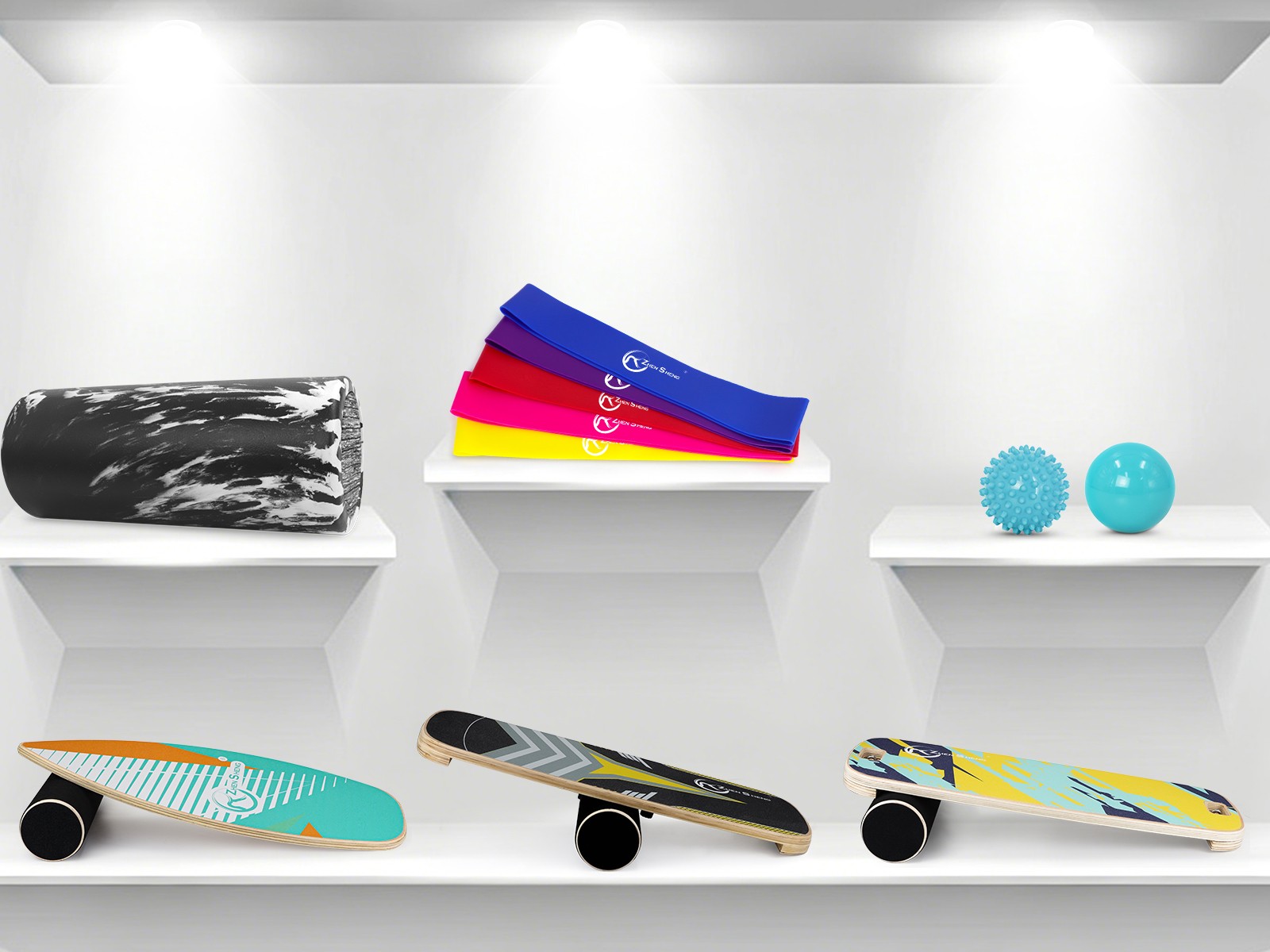
Service life depends on material quality, frequency of use, user weight, cleaning methods, and storage conditions.
Typical lifespan under normal use:
Foam rollers: 1–5 years
Massage balls: 1–4 years
Balance boards: 3–10+ years, depending on construction
Key factors that affect lifespan:
Foam density and cell structure
Repeated compression from frequent use
User load and training intensity
Exposure to sunlight, heat, or humidity
Abrasive flooring or rough storage conditions
Harsh cleaning chemicals that degrade materials
For home use, products usually last toward the higher end of the range. In clinics, gyms, or rehab centers, replacement should be planned more proactively, especially for high-use items.
Foam roller durability depends more on density and construction than appearance.
Higher-density EPP and closed-cell EVA rollers typically:
Hold their shape longer
Recover faster after use
Resist permanent flattening
Perform better in commercial or high-frequency settings
Signs a foam roller should be replaced:
Visible cracks or splits
Flat spots or soft areas
Noticeable loss of rebound
Surface separation or peeling on textured models
For commercial use, it is smart to inspect rollers every 3–6 months and replace worn units before they affect user comfort or safety.
Material choice has a direct impact on durability, feel, hygiene, and price.
EPP (Expanded Polypropylene): Lightweight, firm, highly durable, and resistant to long-term compression. A strong choice for commercial foam rollers.
EVA (Ethylene-Vinyl Acetate): Versatile, comfortable, and widely used in textured rollers. Quality varies by density and formulation.
PE / EPE: Softer and more economical, often used in entry-level rollers or travel versions. Best for lighter use.
Natural rubber or synthetic rubber: Common in massage balls. Durable and firm, but some versions may be harder to clean or may retain odor.
Medical-grade silicone: Smooth, hygienic, easy to clean, and often preferred in therapy or clinical environments.
Latex, TPE, or fabric-covered materials for resistance accessories: Natural latex offers excellent elasticity. TPE can reduce allergy concerns. Fabric-covered options improve comfort and can lower snap risk in high-use settings.
Higher-grade materials usually increase unit cost, but they can reduce replacement frequency and improve consistency across batches. For buyers serving gyms, studios, or clinics, better materials often mean lower total cost over time.
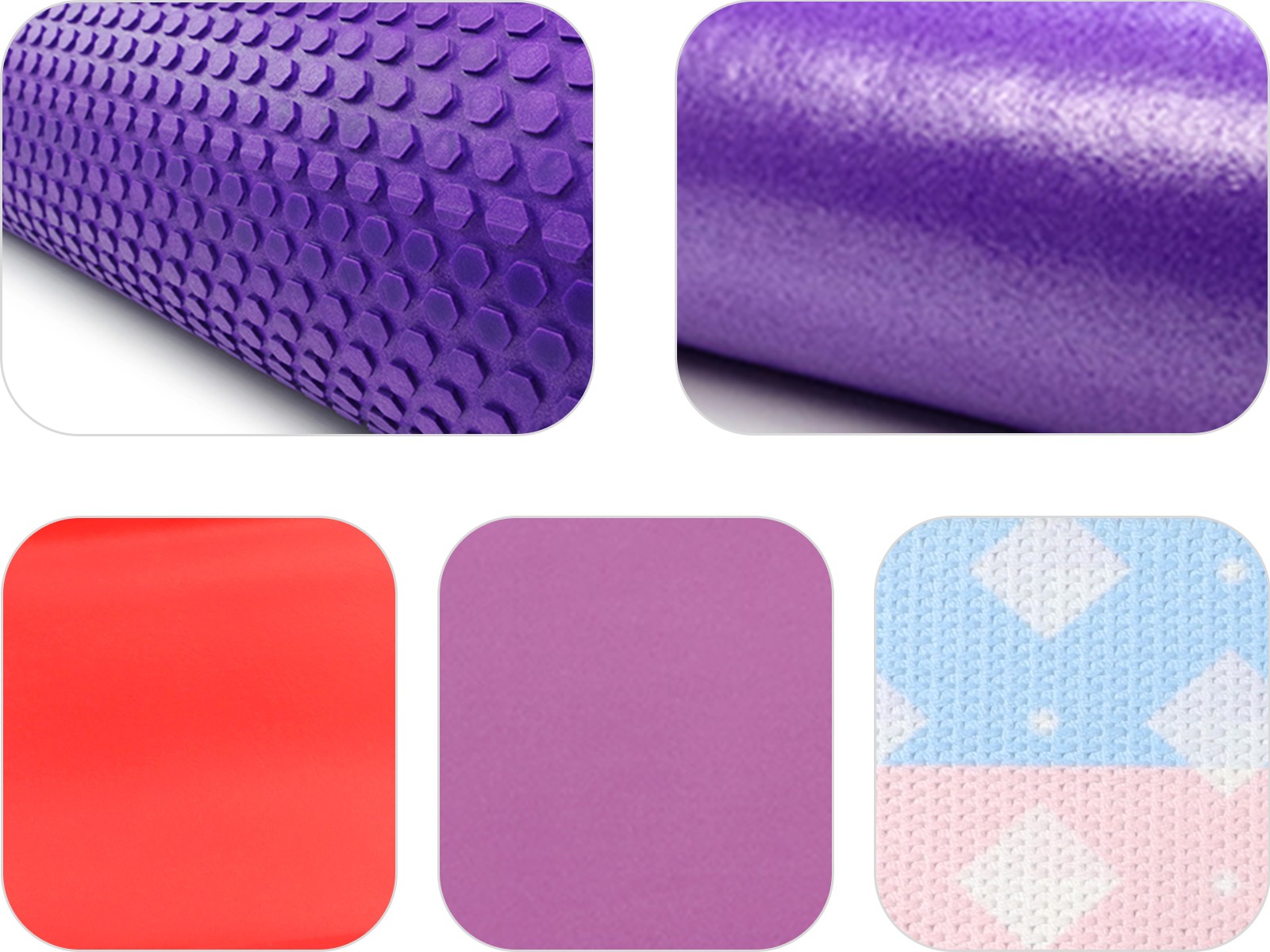
A dependable quality-control process helps reduce defects and improve batch consistency.
A typical pre-shipment QC workflow includes:
Verification of material grade
Color confirmation
Packaging and labeling review
Supplier documentation and lot tracking
First-piece approval
Spot checks during production
Measurement of dimensions, density, and surface finish
Monitoring for defects such as tooling marks or inconsistent texture
Compression and recovery testing for foam rollers
Stretch and resilience checks for resistance products
Stability and motion checks for balance boards
Visual appearance
Logo placement and print quality
Carton labeling and quantity confirmation
Packaging condition and shipment readiness
For larger or customized orders, many buyers also request a pre-shipment inspection by a third party.
Different environments require different specifications.
| Product type | Ideal setting | What to prioritize | Buying notes |
|---|---|---|---|
| Foam rollers (EPP/EVA) | Home, studios, clinics | Density, rebound, surface finish | Higher-density options are better for frequent use; commercial settings should choose durable EPP or premium EVA. |
| Massage balls | Home, therapy rooms, clinics | Material, grip, ease of cleaning | Silicone versions are often easier to disinfect and maintain. |
| Balance boards | Home, rehab, senior programs, athletic training | Stability, non-slip surface, weight capacity | Low-profile models suit rehab and senior use; reinforced or hardwood models are better for commercial use. |
| Resistance accessories | Home, group classes, rehab clinics, gyms | Material, stretch safety, durability | Fabric-covered or reinforced bands are better for repeated use and higher training volume. |
Proper care can greatly extend product lifespan.
Wipe away dirt and sweat with mild soap and water.
Use a suitable disinfectant when needed.
Allow the product to air-dry fully.
Store it in a cool, dry place away from direct sunlight and heat.
Foam rollers and massage balls: Avoid abrasive scrubbing pads, harsh solvents, and prolonged UV exposure.
Balance boards: Keep surfaces dry, inspect for wear on grip areas, and avoid storing in damp environments.
Resistance bands and tubes: Check regularly for nicks, thinning, discoloration, or cracking. Keep away from rough concrete, sharp edges, and excessive stretching beyond the intended range.
Simple maintenance reduces safety risks and helps products retain their performance over time.
Warranty terms vary by supplier, product type, and order format.
Typical expectations:
6–12 months: common for standard accessories
24 months or longer: usually positioned as premium or commercial-grade coverage
Most warranties cover manufacturing defects, but not:
Normal wear and tear
Damage from misuse
Improper cleaning or storage
Commercial overuse of products intended only for home users
For OEM or private-label orders, buyers should confirm warranty details in writing, including any coverage related to logos, packaging, finishes, and customized components.
Some variation between production runs is normal, especially in:
Color shade
Logo position
Packaging print
Minor size tolerances
Surface texture
To reduce unwanted variation, buyers should define clear standards before production:
Pantone or color references
Size and tolerance limits
Logo placement rules
Acceptable visual defect level
Packaging specifications
It is also helpful to approve a pre-production sample and keep a signed reference sample on file before mass production begins.
Before committing to volume, buyers should request a small set of key documents and samples.
Recommended items to ask for:
Pre-production sample
Approved reference sample
Material data sheet
Density or hardness information
Compression-recovery or stretch test results
Inspection photos or batch records
Packaging sample for branded orders
For large-volume purchases, an independent pre-shipment inspection adds another layer of protection and helps avoid costly issues after delivery.
Replacement planning should match the intensity of use.
Home or light retail use: longer replacement cycles are usually acceptable
Studios, clinics, and gyms: budget for more frequent replacement of high-contact or high-flex items
Commercial facilities: choosing higher-grade materials often lowers total ownership cost over time
Products such as resistance bands and lower-density foam items are typically treated as faster-wearing accessories, while hardwood balance boards and premium high-density rollers can remain in service much longer.
When negotiating supply agreements, buyers should consider including:
Sample approval requirements
Inspection standards
Warranty response times
Replacement or claims procedures
These details help control costs and reduce surprises over the life of the product line.
For smoother production and fewer issues at scale, buyers should include technical requirements, material expectations, sample approvals, and packaging specifications directly in the purchase order before production begins.
Search Blog
New Products
E-mail: info@shzhensheng.com
:
Tel.: +86 21 5204 8758
Add.: Room 203, Building 1, No. 423 Wuning Road, Putuo district, Shanghai 200063, China
Navigation
Get in touch
seoKeywords: custom size yoga mat custom logo yoga mat custom Rubber Pilates Yoga Mat eco friendly rubber yoga mat custom Pilates Yoga Mat TPE Rubber Professional Yoga Mat rectangle yoga mat tpe comfortable tpe yoga mat comfortable tpe yoga mat Customize nbr yoga mat custom round yoga mat round yoga mats wholesale eco friendly yoga mats wholesale non slip yoga mat wholesale Customize non slip yoga mat wholesale ankle weights wholesale custom round yoga mat round yoga mats wholesale personalized soccer ball size 5 personalized soccer ball size 4 Thermo Bonded Football Machine Stitched Football custom resistance bands wholesale wholesale resistance bands with logo custom printed resistance bands custom logo resistance bands custom size resistance bands custom length resistance bands custom ankle weights ankle weights cost ankle weights cost buy ankle weights custom balance board surf balance board oem yoga mat yoga mat factory yoga mat manufacturer tpe yoga mat manufacturer private label yoga mats